Long-Lead Furniture Orders Dictate Your Office Fit-Out Move-In Date
The furniture factory sets your move-in date before drywall goes up. A fit-out PM who waits for the GC to finish framing before locking in task chairs and systems furniture will see the occupancy schedule slip by weeks. Long-lead FF&E procurement runs alongside construction, not after it. See also: acoustic targets for open plans.
Contents
- When should furniture be ordered during an office fit-out?
- Why do long-lead furniture orders delay move-in dates?
- Which furniture categories carry the longest lead times?
- How do interior design services prevent furniture procurement delays?
- What does a furniture procurement risk checklist look like?
- How should furniture delivery align with the GC punch list?
Key takeaways
- Furniture orders for a commercial office fit-out must be placed before drywall is hung.
- Manufacturers build contract furniture to order.
- Custom millwork, integrated power benching, and specialized acoustic enclosures sit on the critical path.
- Interior design services lock the FF&E specification package before the GC mobilizes.
- A working risk checklist verifies that every long-lead item has an approved submittal, a signed purchase order, and a confirmed delivery window tied to a GC milestone.
When should furniture be ordered during an office fit-out?
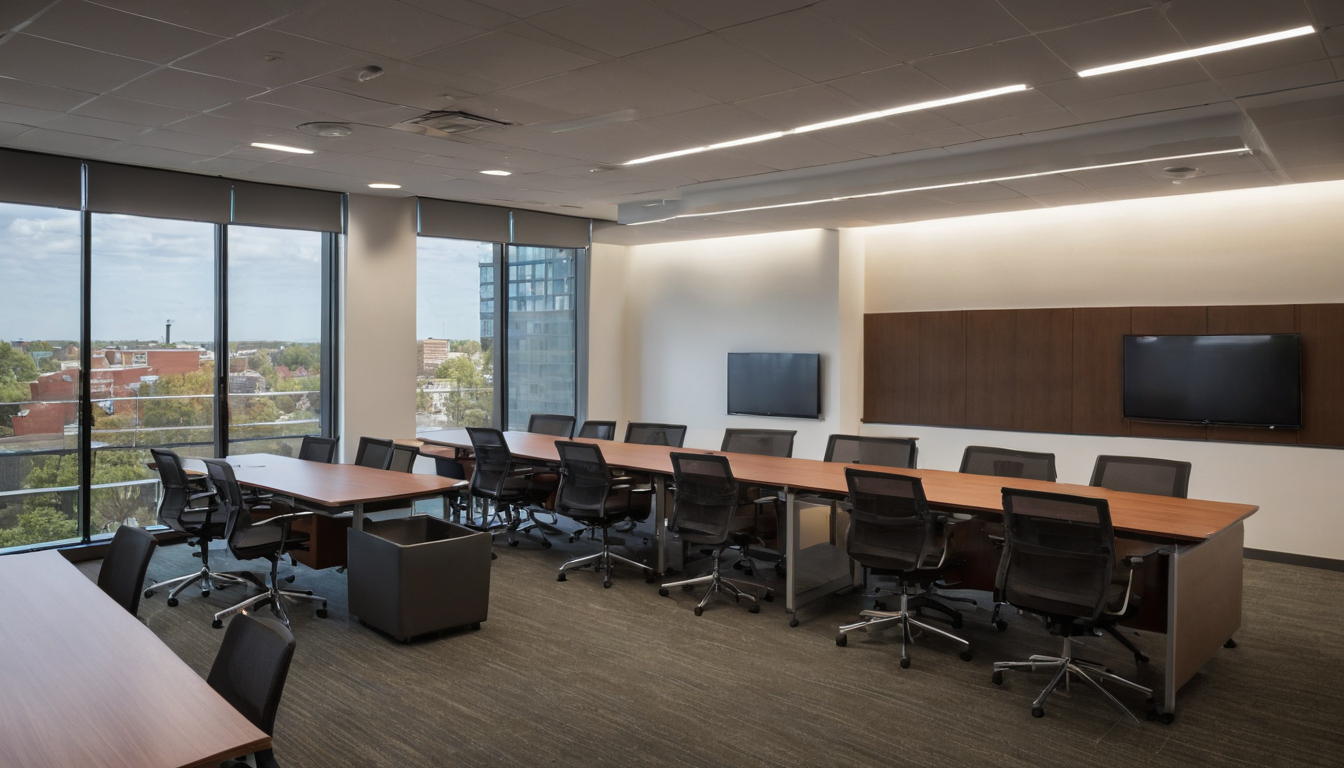
Furniture orders for a commercial office fit-out must be placed before drywall is hung. Task chairs and standard systems furniture require eight to twelve weeks of manufacturing lead time. Custom millwork takes sixteen to twenty-four weeks. If your interior design services team has not locked specifications by week four of the GC schedule, your move-in date will slip.
When should furniture be ordered during an office fit-out.
Check these decisions against your project timeline:
A late order forces you to hold occupancy while crates sit on the loading dock. Knowing why long-lead furniture orders delay move-in dates helps prevent that bottleneck.
Why do long-lead furniture orders delay move-in dates?
Manufacturers build contract furniture to order. Factories do not warehouse thousands of configured workstations. Once you approve finishes and dimensions, the clock starts on raw material sourcing, fabrication, and freight. A single delayed purchase order for a demising wall banquette or acoustic pod pushes back the entire punch list because installers cannot set furniture until floors are finished and ceilings are closed.
A standard production workflow has four phases after the factory receives a purchase order. First, the manufacturer sources raw materials like steel frames, laminate sheets, and upholstery textiles. Second, fabrication cuts, welds, and assembles those components into finished units. Third, quality control checks tolerances and surface finishes against the approved specification. Fourth, freight carriers load palletized shipments for transit across domestic routes. Each phase takes time. Rushing one step usually means reworking another.
Freight transit adds days or weeks depending on origin and destination. Domestic US shipments from Midwest manufacturing hubs to coastal cities typically require five to ten business days in transit. Cross-country truckloads face weather delays, port congestion near distribution centers, and carrier scheduling limits. Furniture arrives at a staging warehouse before it reaches your floor plate, adding another handling step.
Furniture installation depends on the general contractor finishing prerequisite trades first. Installers need completed flooring, closed ceiling grids, and energized power circuits before they can anchor a desk or unbox a task chair. If the GC slips the substantial completion date by two weeks, your furniture delivery window slides with it. Warehousing fees accumulate daily while pallets wait for an open site.
New furnishings also introduce indoor air quality variables that affect occupancy timing. The U.S. Environmental Protection Agency identifies paints, varnishes, waxes, cleaning products, building materials, and furnishings as common indoor sources of volatile organic compounds. Bringing fresh systems furniture into a sealed floor plate requires planning for off-gassing before employees move in.
The gap between quoted and actual delivery dates widens under these conditions. A six-week quote for standard SKUs easily stretches to ten or twelve weeks when custom specifications enter the production queue. Supply disruptions at the raw material level cascade down to the assembly floor. Tracking these variables requires weekly status calls with vendor representatives, not just automated shipping notifications.
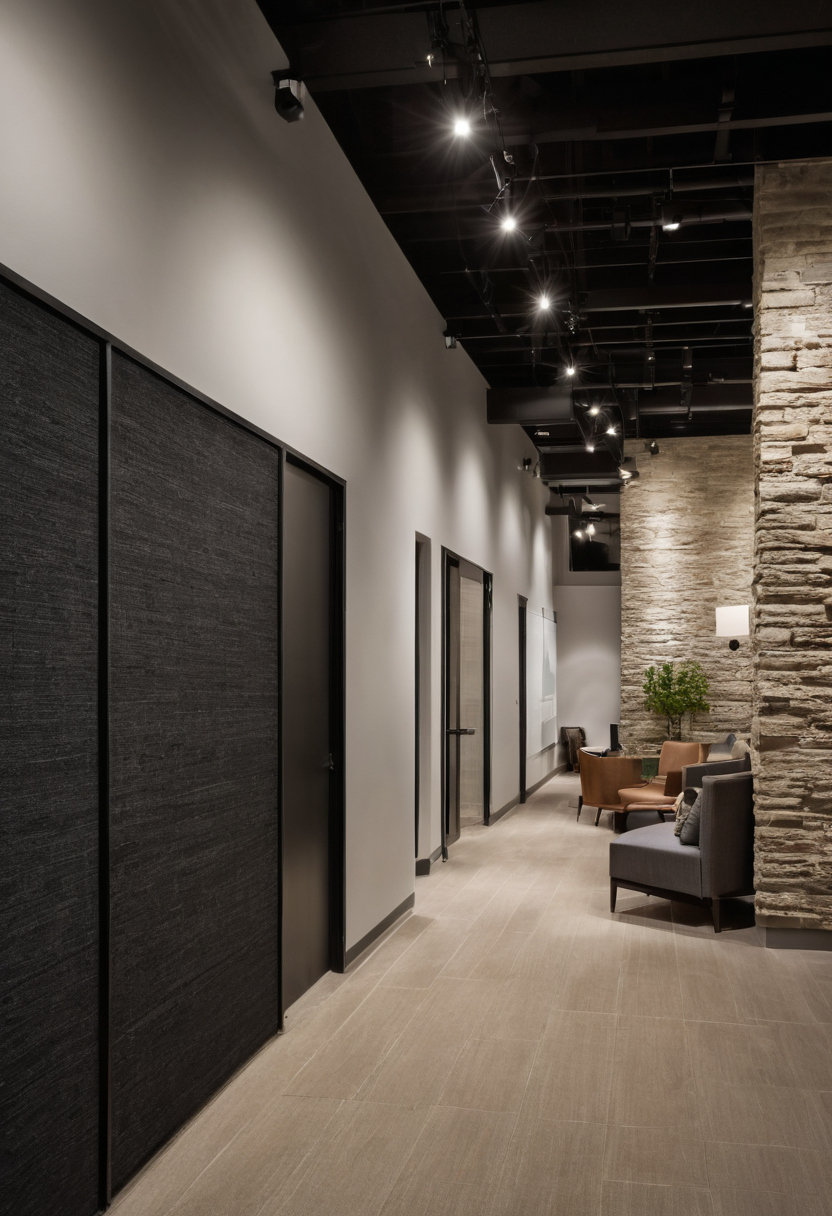
Why do long-lead furniture orders delay move-in dates.
Knowing which categories cause the most friction helps you sequence purchase orders correctly. Which furniture categories carry the longest lead times?
Which furniture categories carry the longest lead times?
Custom millwork, integrated power benching, and specialized acoustic enclosures sit on the critical path. Standard task chairs and open-plan desking arrive faster but still require firm specifications. Your procurement checklist must separate quick-ship items from built-to-order pieces so the general contractor knows which zones to finish first for installation.
Built-to-order furniture drives the schedule. Custom reception desks, conference tables with integrated data boxes, and acoustic pods need factory time that standard catalog items do not. Systems furniture with dedicated power feeds requires electrical rough-in before delivery. Acoustic enclosures depend on finished ceiling grids and verified floor flatness. You cannot stage these pieces on raw concrete or under active overhead work.
Quick-ship programs cover basic folding tables, stacking chairs, and simple mobile pedestals. These units bypass long manufacturing queues. But quick-ship inventory alone rarely covers a full floor rollout. The bulk of your workstation panels, task seating, and storage requires confirmed fabric selections and frame finishes weeks ahead of the pour date.
Separate the order list by trade dependency. Furniture needing hardwired power waits for the electrician. Freestanding pieces wait only for finished flooring. Locking in acoustic targets for open plans early determines which enclosure models you can buy within the GC timeline. Without that specification step, vendors quote products you cannot install on time. Professional interior design services prevent procurement delays at that gap between vendor availability and site readiness.
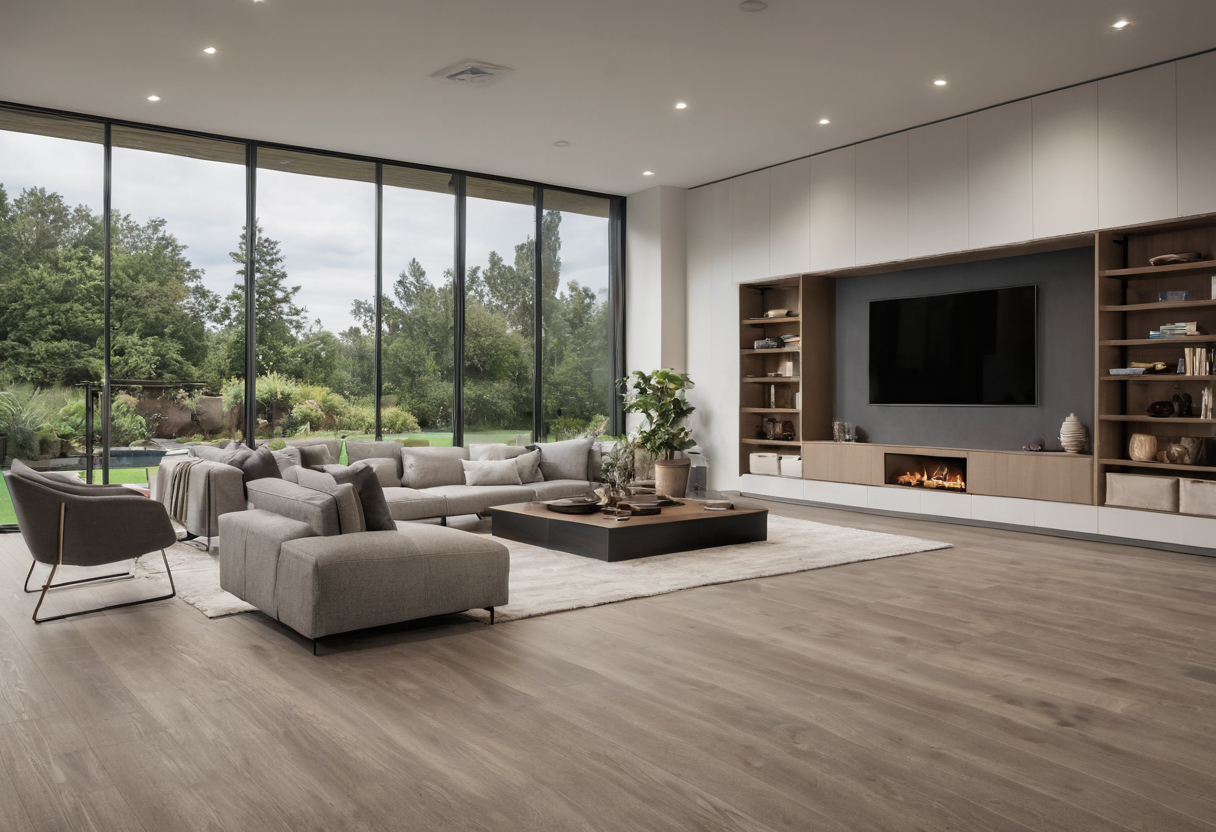
Which furniture categories carry the longest lead times.
How do interior design services prevent furniture procurement delays?
Interior design services lock the FF&E specification package before the GC mobilizes. Designers coordinate fabric selections, ADA clearances, and power locations against the reflected ceiling plan and floor plan. This prevents late change orders that reset manufacturer queues. Searching for interior designers near me helps only if their scope explicitly includes procurement scheduling and vendor management for commercial fit-outs.
A complete office interior design scope defines exactly which deliverables reach the vendor desk and when. The schedule starts with finish selections and ends with purchase orders placed against approved shop drawings. Each milestone ties directly to a manufacturer lead time.
| Deliverable | Deadline relative to substantial completion | Result |
|---|---|---|
| Finish and fabric approvals | 16 to 20 weeks prior | Locks textile dye lots at the mill |
| Systems furniture shop drawings | 14 to 16 weeks prior | Confirms panel heights, power feeds, and data routing |
| Custom millwork submittals | 12 to 14 weeks prior | Verifies dimensions against field conditions |
| Signed purchase orders | 10 to 12 weeks prior | Secures the production slot in the factory queue |
ADA compliance dictates furniture footprints on the floor plan. The 2010 ADA Standards for Accessible Design require a 30 by 48 inch clear floor space for wheelchair positioning at accessible workstations. Designers map this clearance around every desk cluster before the systems furniture order ships. Work surface heights must fall between 28 inches minimum and 34 inches maximum above the finish floor for accessible dining and work surfaces per the same standards. Miss either dimension during spec review and the replacement cycle adds weeks to the move-in date.
Power and data floor boxes anchor the furniture layout to the slab. Designers overlay the systems furniture plan onto the RCP and electrical drawings to check that every workstation aligns with its power feed. A misaligned floor box forces field modifications or panel replacements after delivery.
Confirm your design team holds active dealer relationships and commercial specification credentials before you issue purchase orders. Without those relationships, the procurement timeline slips. Once the spec package is locked and ordered, verify what could still go wrong: what does a furniture procurement risk checklist look like?
What does a furniture procurement risk checklist look like?
A working risk checklist verifies that every long-lead item has an approved submittal, a signed purchase order, and a confirmed delivery window tied to a GC milestone. It flags single-source dependencies where one delayed chair model stalls an entire department’s setup. Review it at every weekly OAC meeting to keep the move-in date intact.
Catching a missing submittal during the OAC review prevents a six-week delay on the floor. But even perfect paperwork cannot protect the schedule if installation clashes with finishing trades. Furniture delivery must align with the GC punch list.
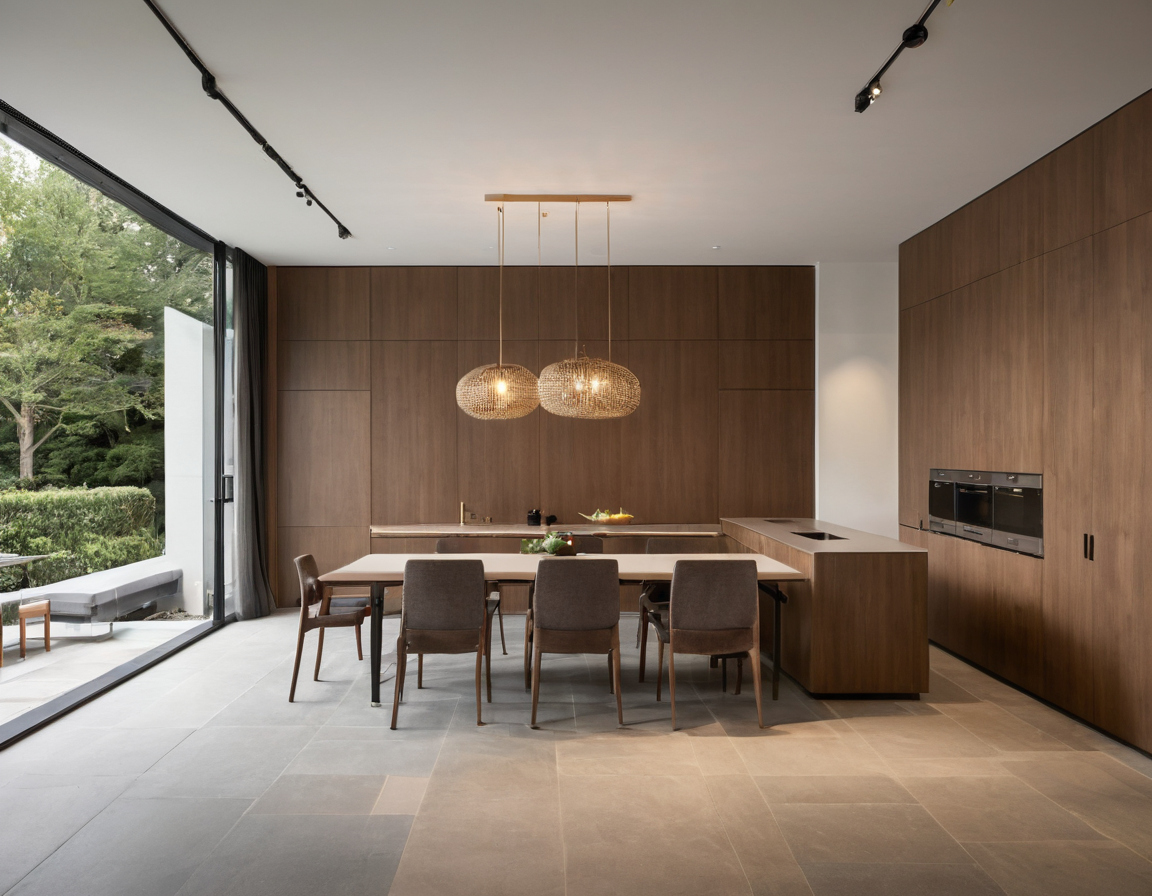
What does a furniture procurement risk checklist look like.
How should furniture delivery align with the GC punch list?
Furniture delivery must follow final floor finishes and overhead MEP commissioning, but precede the final punch list walk. Installers need clean, powered space to assemble systems furniture without damaging new paint or carpet. The project manager coordinates the loading dock, freight elevator reservations, and staging areas directly with the furniture dealer to avoid conflicts with remaining trades.
Substantial completion opens the installation window. Schedule the furniture crew only after the GC hands over broom-clean floors and live power circuits at each workstation location. Rolling task chairs across curing VCT adhesive or wet epoxy ruins both the floor and the casters.
For more on this topic, see other guides on this site.